
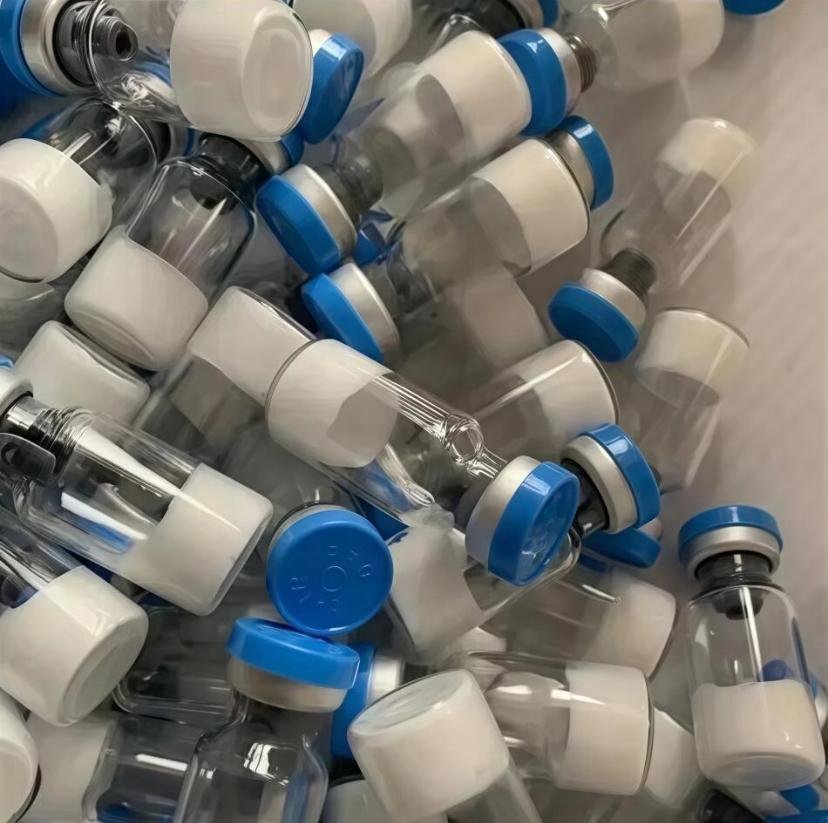
If your research focuses on regenerative biology, the Wnt/β‑catenin signalling pathway, or the mechanisms of tissue repair and hair follicle regeneration, PTD-DBM (5mg) research peptide is a synthetic peptide that warrants serious attention. This engineered 25‑amino‑acid construct fuses a Protein Transduction Domain (PTD) — a poly‑arginine cell‑penetrating sequence — with a Dishevelled Binding Motif (DBM) that competitively inhibits the interaction between the negative feedback regulator CXXC5 and the scaffolding protein Dishevelled (Dvl). By disrupting this interaction, PTD‑DBM effectively disinhibits Wnt/β‑catenin signalling, a pathway that governs everything from hair follicle cycling and cutaneous wound healing to stem cell proliferation and tissue patterning.
At Wuhan Top Miracle Peptides, we supply high‑purity PTD-DBM (5mg) research peptide to research institutions and wholesale buyers across the United Kingdom, France, Germany, Spain, Sweden, Italy, and the USA. Every batch is lyophilised, HPLC‑verified to ≥95% purity, and accompanied by a Certificate of Analysis (COA), ensuring your investigations into regenerative signalling, hair follicle biology, and wound healing begin with uncompromising quality.
What Is PTD-DBM and How Does It Work?
To fully appreciate the research potential of PTD-DBM (5mg) research peptide, it is essential to understand its innovative design and the precise mechanism by which it modulates Wnt/β‑catenin signalling.
The PTD-DBM Fusion Peptide
PTD‑DBM is a synthetic 25‑amino‑acid peptide with the sequence RRRRRRRRGGGGRKTGHQICKFRKC. Its structure encodes two functional domains:
-
Protein Transduction Domain (PTD): An N‑terminal poly‑arginine sequence (eight arginine residues) that confers potent cell‑penetrating capabilities. This allows the peptide to cross the skin’s stratum corneum and cellular membranes without the need for viral vectors or transfection reagents, delivering the active cargo directly to dermal papilla cells and associated stem cell niches.
-
Dishevelled Binding Motif (DBM): A C‑terminal domain that physically competes with CXXC5 for binding to the PDZ domain of Dishevelled (Dvl), a key scaffolding protein in canonical Wnt signalling.
-
Glycine Linker: A short glycine‑rich sequence (GGGG) that covalently links the PTD and DBM domains, ensuring proper spatial orientation and dual functionality.
Mechanism of Action: Disinhibiting the Wnt/β‑Catenin Pathway
The biological activity of PTD-DBM (5mg) research peptide is rooted in its ability to disrupt a specific protein‑protein interaction:
1. The CXXC5‑Dvl Negative Feedback Loop
CXXC5 (CXXC‑type zinc finger protein 5) is a negative feedback regulator of the Wnt/β‑catenin pathway. It binds directly to Dishevelled (Dvl), a scaffolding protein that is essential for propagating Wnt signals from the cell surface to the nucleus. This CXXC5‑Dvl interaction suppresses downstream Wnt activity, limiting β‑catenin accumulation and transcriptional activation of growth‑promoting genes.
2. Competitive Inhibition by PTD‑DBM
PTD‑DBM acts as a competitive peptide that blocks the CXXC5‑Dvl interaction. By occupying the Dvl PDZ domain, it prevents CXXC5 from binding, thereby disrupting this negative feedback loop.
3. Reactivation of Wnt/β‑Catenin Signalling
With the CXXC5‑mediated brake removed, Dvl is free to propagate Wnt signals. This leads to:
-
Stabilisation and nuclear accumulation of β‑catenin
-
Upregulation of downstream targets including β‑catenin, α‑SMA (alpha‑smooth muscle actin), and type I collagen
-
Enhanced cellular processes involved in tissue regeneration and remodelling
4. Dual Function: BMP Neutralisation
The carboxyl‑terminal DBM part also acts as a specific molecular trap, capturing excess BMP (Bone Morphogenetic Protein) molecules both intracellularly and extracellularly, neutralising their growth‑inhibitory signalling. Since BMPs are primary inhibitory signals to hair growth, this dual action prolongs the anagen (growth) phase and prevents premature catagen/telogen transitions.
Key Research Applications for PTD-DBM (5mg)
PTD-DBM (5mg) research peptide is a versatile tool with applications spanning several domains of regenerative and cellular biology.
Hair Follicle Regeneration and Androgenetic Alopecia Research
The most extensively researched application of PTD‑DBM is in hair follicle biology. By reactivating Wnt/β‑catenin signalling in dermal papilla cells, the peptide:
-
Prolongs the anagen (growth) phase of the hair cycle
-
Prevents premature catagen/telogen transitions that lead to hair shedding
-
Reactivates dormant hair follicle stem cells, promoting their proliferation and differentiation into new hair follicle progenitors
-
Increases hair follicle density, size and thickness
In foundational mouse studies, topical application of PTD‑DBM to C57BL/6N mouse dorsal skin stimulated visible hair regrowth and de novo follicle neogenesis. Research also indicates that combinatory treatment with valproic acid (VPA), an activator of the Wnt/β‑catenin pathway, further induces hair regrowth and wound‑induced hair neogenesis.
Cutaneous Wound Healing and Tissue Repair
PTD‑DBM has demonstrated significant potential in wound healing research. By disrupting CXXC5‑Dvl interactions and re‑engaging canonical Wnt signalling in keratinocytes and fibroblasts, the peptide:
-
Elevates β‑catenin levels
-
Promotes collagen synthesis and myofibroblast differentiation
-
Accelerates epithelial closure and dermal matrix restoration
-
Inhibits expression of differentiated cell markers such as α‑SMA while inducing stem cell markers like CD105 and Nestin
In a landmark 2015 study published in the Journal of Experimental Medicine, researchers demonstrated that CXXC5−/− mice exhibited accelerated cutaneous wound healing, and that PTD‑DBM treatment disrupted the negative feedback loop and activated β‑catenin and collagen production in vitro. Co‑treatment with VPA synergistically accelerated cutaneous wound healing in mice.
Osteoblast Differentiation and Bone Research
Beyond soft tissue, PTD‑DBM has been investigated in the context of bone formation and skeletal regulation. Research indicates that PTD‑DBM treatment increases the mRNA levels of osteoblast differentiation markers, including ALP, Fgfl8, and RANKL. This positions the peptide as a potential tool for studying the molecular networks associated with osteogenesis and bone repair.
Stem Cell Differentiation and Tissue Engineering
The peptide’s cell‑penetrating properties and ability to modulate Wnt signalling make it relevant for stem cell research. Theorised applications include:
-
Delivery of differentiation factors or CRISPR components to stem cell populations
-
Supporting the differentiation of stem cells into specific lineages through Wnt pathway modulation
-
Enhancing the regenerative capacity of engineered tissue constructs
Cancer Biology Research
Although direct cancer‑targeting studies are limited, PTD‑DBM may support investigations into tumour microenvironments by modulating Wnt‑driven pathways. Reactivation of Wnt signalling may be harnessed to regulate differentiation in certain cancer stem cell populations or modulate stromal components, offering a direction for oncological research models.
Chemical & Physical Specifications
Accurate characterisation of PTD-DBM (5mg) research peptide is essential for reproducible experimental design. Below are the verified specifications from multiple research suppliers.
| Parameter | Specification |
|---|---|
| Amino Acid Sequence (One‑Letter) | RRRRRRRRGGGGRKTGHQICKFRKC |
| Amino Acid Sequence (Three‑Letter) | H‑Arg‑Arg‑Arg‑Arg‑Arg‑Arg‑Arg‑Arg‑Gly‑Gly‑Gly‑Gly‑Arg‑Lys‑Thr‑Gly‑His‑Gln‑Ile‑Cys‑Lys‑Phe‑Arg‑Lys‑Cys‑OH |
| Molecular Formula | C₁₂₄H₂₂₅N₆₁O₂₈S₂ |
| Molecular Weight | ~3082.64 g/mol |
| CAS Number | 1609454‑11‑6 |
| Purity | ≥95% (HPLC verified) |
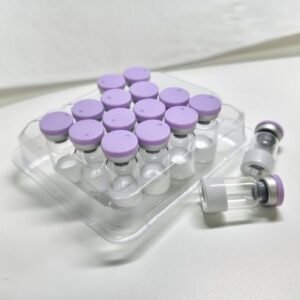
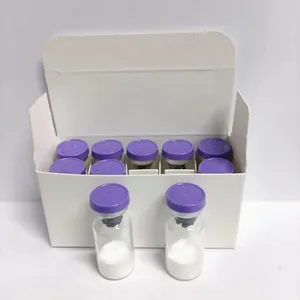
| Appearance | White to off‑white lyophilised powder |
| Solubility | Soluble in sterile water and sterile PBS (pH 5‑7) |
| Storage (Lyophilised) | –20°C, sealed, protected from light; stable for up to 2 years |
| Storage (Reconstituted) | 2‑8°C for up to 7 days; single‑use aliquots at –20°C for up to 3 months |
Note on Purity: The 5 mg mass refers to the weight of the peptide in its lyophilised form. Purity is typically ≥95% by HPLC, with TFA salt accounting for a portion of the total mass. The peptide is supplied as a TFA salt, which enhances aqueous solubility.
Reconstitution & Handling Protocol for PTD-DBM (5mg)
Proper reconstitution of PTD-DBM (5mg) research peptide is critical for maintaining its structural integrity and biological activity. This protocol is designed for research use only.
Step 1 – Preparation
-
Bring the sealed PTD‑DBM vial and your chosen diluent (sterile bacteriostatic water or sterile PBS, pH 5‑7) to room temperature. Condensation can degrade the lyophilised powder.
-
Clean your work surface with 70% ethanol and lay out sterile syringes, alcohol wipes and a clean work mat.
Step 2 – Vial Sanitisation
-
Wipe the rubber stopper of the PTD‑DBM vial with a fresh 70% ethanol wipe. Allow the alcohol to evaporate completely before piercing.
Step 3 – Reconstitution
-
Draw your desired volume of diluent into a sterile syringe. A common starting concentration for research applications is 5 mg per 0.5 mL of diluent, yielding a 10 mg/mL stock solution.
-
Insert the needle and slowly inject the diluent against the inner glass wall. Do not spray directly onto the lyophilised powder.
-
Gently swirl the vial until the solution is clear and fully dissolved. Do not shake vigorously, as shaking can cause denaturation.
Step 4 – Aliquoting & Storage
-
Immediately after dissolution, aliquot the reconstituted PTD‑DBM into single‑use sterile vials.
-
Store aliquots at –20°C. Avoid repeated freeze‑thaw cycles.
-
Once thawed, store at 2‑8°C and use within 7 days. Discard any remaining solution after this period.
Concentration Reference Table
| Vial Mass | Diluent Volume | Final Concentration |
|---|---|---|
| 5 mg | 0.5 mL | 10 mg/mL |
| 5 mg | 1.0 mL | 5 mg/mL |
| 5 mg | 2.5 mL | 2 mg/mL |
Adjust diluent volume based on your experimental requirements.
Storage & Stability Guidelines
| Storage Condition | Shelf Life | Notes |
|---|---|---|
| Lyophilised at –20°C, unopened | 2 years | Use desiccant, protect from light. |
| Lyophilised at 2‑8°C, unopened | 6‑12 months | –20°C storage is strongly preferred for long‑term stability. |
| Reconstituted at 2‑8°C | Up to 7 days | Must be sterile; use aseptic technique for each withdrawal. |
| Reconstituted aliquots at –20°C | Up to 3 months | Single freeze only; discard after thawing. |
Why Choose Wuhan Top Miracle Peptides for PTD-DBM (5mg)?
As an authentic licensed peptide supplier based in the United Kingdom, we supply PTD-DBM (5mg) research peptide and a wide range of research‑grade compounds under rigorous quality assurance protocols, fully aligned with Google’s E‑E‑A‑T standards (Experience, Expertise, Authoritativeness, Trustworthiness).
-
Verified Purity: Independent HPLC analysis with purity guaranteed ≥95% for every batch.
-
GMP‑Compliant Manufacturing: All peptides are synthesised in ISO 13485:2016 and GMP‑certified facilities, ensuring batch‑to‑batch consistency.
-
Full Traceability: Batch‑specific Certificates of Analysis (COA) are available for every order.
-
Wholesale Supply: We serve research institutions, laboratories, and wholesale buyers across the UK, EU, and USA with flexible volume pricing and reliable logistics.
-
UK‑Based Regulatory Compliance: All products are supplied strictly as research‑grade chemicals for laboratory use only (RUO).
Researchers across the United Kingdom—including those at leading institutions in London, Cambridge, Oxford, Manchester, and Edinburgh—trust us for fast domestic delivery, transparent documentation and professional technical support.
FAQ: PTD-DBM (5mg) Research Peptide
What is PTD-DBM (5mg) research peptide?
PTD‑DBM is a synthetic 25‑amino‑acid fusion peptide combining a Protein Transduction Domain (PTD) with a Dishevelled Binding Motif (DBM). It acts as a competitive inhibitor of the CXXC5‑Dvl interaction, thereby reactivating Wnt/β‑catenin signalling. It is used in research for hair follicle regeneration, wound healing, and osteoblast differentiation studies.
What is the sequence and molecular weight of PTD‑DBM?
The sequence is RRRRRRRRGGGGRKTGHQICKFRKC. Its molecular formula is C₁₂₄H₂₂₅N₆₁O₂₈S₂, and its molecular weight is approximately 3082.64 g/mol.
What are the primary research applications for PTD‑DBM?
PTD‑DBM is used in hair follicle regeneration and androgenetic alopecia research, cutaneous wound healing and tissue repair studies, osteoblast differentiation and bone research, stem cell differentiation and tissue engineering, and cancer biology research.
What is the mechanism of action of PTD‑DBM?
PTD‑DBM competitively blocks the interaction between CXXC5 (a negative feedback regulator) and Dishevelled (Dvl), a key scaffolding protein in Wnt signalling. This disrupts the negative feedback loop and reactivates Wnt/β‑catenin signalling, leading to upregulation of β‑catenin, α‑SMA, and type I collagen.
What purity does your PTD-DBM (5mg) meet?
Our PTD‑DBM is tested to ≥95% purity by HPLC. A Certificate of Analysis (COA) is supplied with every order.
How should I reconstitute PTD-DBM (5mg)?
Reconstitute with sterile bacteriostatic water or sterile PBS (pH 5‑7). Allow the vial to reach room temperature, then slowly inject the diluent against the inner glass wall and swirl gently. Do not shake. A typical starting concentration is 10 mg/mL.
Is PTD-DBM research peptide legal to purchase in the UK?
Yes. PTD‑DBM is a laboratory reagent sold for research use only (RUO). It is fully legal to purchase, possess, and use in the United Kingdom for legitimate in‑vitro or in‑vivo scientific research, provided it is not marketed with therapeutic claims.
Does Wuhan Top Miracle Peptides ship internationally?
Yes. We ship across the EU (France, Germany, Spain, Sweden, Italy) and to the USA from our UK warehouse. Wholesale pricing is available for bulk orders.
Wholesale PTD-DBM 5mg Supply Across the UK and Europe
Wuhan Top Miracle Peptides supports wholesale peptide buyers in the United Kingdom and international markets.
We Support Enquiries From:
- United Kingdom
- France
- Germany
- Spain
- Sweden
- Italy
- USA
- Wider Europe
For larger PTD-DBM 5mg enquiries, contact our team before ordering. This helps confirm stock, wholesale pricing, documentation, shipping options, and buyer requirements.
Where to Buy PTD-DBM 5mg in the UK
If you are searching for where to buy PTD-DBM 5mg in the UK, Wuhan Top Miracle Peptides provides a simple research-focused enquiry process.
How to Order
- Review the PTD-DBM 5mg product details.
- Check the current label and batch information.
- Confirm the product identity from documentation.
- Contact our team for availability.
- Ask about COA and purity-related documentation.
- Confirm your shipping country.
- Discuss wholesale quantity requirements.
- Place your enquiry with support from our team.
Bulk Peptides Page
Shipping & Returns Page
Contact Us Page
Shop Page
Quality / Compliance Page
Google Search Central
GOV.UK / MHRA
ASA / CAP Code Section 12
Scientific reference source such as PubMed, NCBI, PubChem, or a peer-reviewed journal page
From its innovative design as a cell‑penetrating fusion peptide to its well‑documented role in reactivating Wnt/β‑catenin signalling, PTD-DBM (5mg) research peptide provides a uniquely versatile platform for advanced regenerative research. Its ability to disrupt the CXXC5‑Dvl negative feedback loop, promote hair follicle regeneration, accelerate cutaneous wound healing, and support osteoblast differentiation—supported by peer‑reviewed studies published in the Journal of Experimental Medicine and the Journal of Investigative Dermatology—makes it a valuable addition to any laboratory investigating regenerative biology, Wnt signalling, or tissue repair. By choosing high‑purity, lab‑verified PTD-DBM (5mg) research peptide from Wuhan Top Miracle Peptides, you ensure that your research is built on a foundation of quality, reproducibility, and scientific integrity.
Ready to advance your research with PTD-DBM (5mg)? Browse our product catalogue, request a wholesale quote, or contact our support team today to discuss your laboratory’s specific needs. Place your order now and receive GMP‑grade PTD‑DBM delivered directly to your facility in the UK, EU, or USA.
Reviews
There are no reviews yet.