
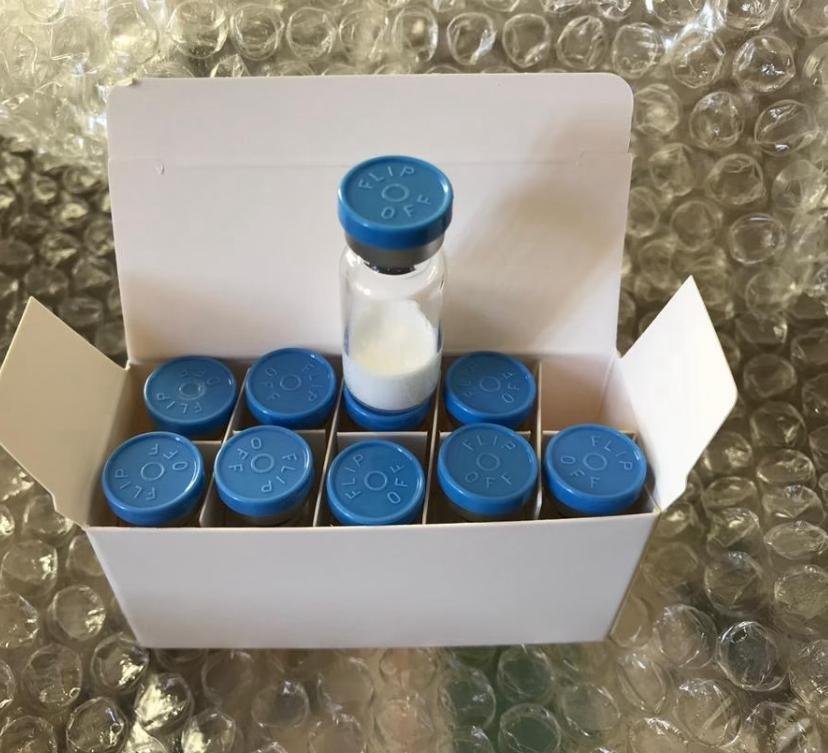


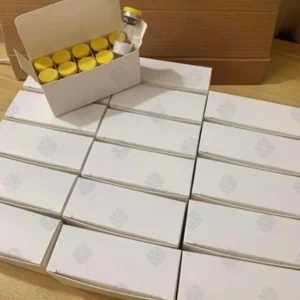
PEG-MGF (5mg) Research Peptide: A Mechano-Growth Factor for Advanced Regenerative Studies
If your research focuses on satellite cell activation, skeletal muscle repair, or the molecular mechanisms of tissue regeneration, PEG-MGF (5mg) research peptide offers a distinct and powerful tool. Mechano Growth Factor (MGF) is a splice variant of the IGF-1 gene that the body produces locally in response to mechanical strain or muscle damage. Its primary role is to activate satellite cells—the resident stem cells of adult skeletal muscle—to proliferate and begin the repair process.
However, native MGF degrades very rapidly, with a half-life of just 5-7 minutes, making it challenging for sustained experimental protocols. PEG-MGF is the engineered solution. By attaching polyethylene glycol (PEG) polymers—a process known as PEGylation—the peptide is stabilised, and its circulation half-life is extended to 24-72 hours. This transforms a short-lived, localised signal into a potent and sustained research-grade reagent.
At Wuhan Top Miracle Peptides, we supply high-purity PEG-MGF (5mg) research peptide to research institutions and wholesale buyers across the United Kingdom, France, Germany, Spain, Sweden, Italy, and the USA. Every batch is lyophilised, HPLC-verified to ≥99% purity, and accompanied by a Certificate of Analysis (COA), ensuring your work into muscle biology, cardiac repair, and tissue engineering begins with uncompromising quality.
The Biology of MGF: A Localised, Mechanosensitive Repair Signal
Understanding the science of MGF is key to understanding the value of PEG-MGF. MGF is not systemic IGF-1. It is a locally expressed variant, part of a complex biological system designed to respond directly to physical demand.
The IGF-1 Splice Variant System
The IGF-1 gene produces multiple protein isoforms through alternative splicing. The two primary isoforms in muscle biology are:
-
IGF-1Ea: The predominant circulating isoform, produced by the liver in response to growth hormone. It provides tonic, systemic anabolic stimulation.
-
IGF-1Ec (Mechano Growth Factor): The mechano-responsive isoform. It is produced locally in skeletal muscle tissue, specifically in response to mechanical stretch, injury, or damage.
This localised production means MGF acts as a direct, acute repair signal, working independently of the body’s broader hormonal cycles.
The Distinct Role of the E-Peptide
A key discovery was that the unique 24-amino acid E-peptide (C-terminal extension) of MGF possesses biological activity distinct from the IGF-1 domain.
-
Independent Satellite Cell Activation: This E-peptide promotes satellite cell proliferation (expansion of the stem cell pool) independently of the IGF-1 receptor (IGF-1R).
-
Proliferative Bias: The E-peptide drives satellite cells to proliferate without pushing them toward terminal differentiation. This is the perfect bias for the early post-damage phase, where creating a large pool of repair cells is the priority.
This clear separation of function provides a powerful model for studying stem cell biology in a controlled environment.
PEG-MGF: Engineered for Extended Activity in Research Models
PEG-MGF is this biologically active E-peptide, chemically stabilised through PEGylation. This process involves covalently linking polyethylene glycol (PEG) chains to the peptide molecule. This modification is crucial for making MGF a viable in vivo research tool:
-
Significantly Extended Half-Life: Native MGF degrades in 5-7 minutes. PEG-MGF has a significantly extended half-life, estimated between 24-72 hours.
-
Sustained Signalling: PEGylation shields the peptide from enzymatic breakdown and reduces renal clearance, ensuring a prolonged period of biological activity for controlled, reproducible experiments.
-
Research-Viable Format: This sustained activity profile makes PEG-MGF the standard research format for in vivo pharmacokinetic studies, satellite cell activation assays, and tissue repair models where native MGF’s half-life is insufficient.
Key Research Applications for PEG-MGF (5mg) Research Peptide
PEG-MGF (5mg) research peptide is a versatile tool with a wide range of potential applications in modern biomedical research.
Skeletal Muscle Regeneration & Satellite Cell Activation
The most established research domain for PEG-MGF lies in studying muscle repair. Its sustained action makes it ideal for investigating the complex cascade of events following muscle injury.
-
Acute Muscle Injury Models: PEG-MGF is used to study the signalling pathways that trigger satellite cell activation, migration, and myoblast proliferation after exercise-induced microtrauma or direct injury.
-
Sarcopenia Research: In models of age-related muscle wasting (sarcopenia), PEG-MGF is used to explore how the sensitivity of satellite cells to repair signals may change with age, leading to a decline in regenerative capacity.
-
Exercise-Induced Hypertrophy: The peptide can help dissect the molecular pathways, such as the PI3K/Akt/mTOR cascade, which link mechanical loading to an increase in muscle protein synthesis.
Cardiac Protection and Myocardial Repair
Preclinical research exploring MGF’s role in cardiac muscle is a promising area. By providing a sustained presence of the E-peptide, PEG-MGF allows researchers to investigate:
-
Anti-Apoptotic Signalling: How the MGF E-peptide may inhibit programmed cell death in cardiac muscle cells subjected to hypoxic or ischaemic conditions (e.g., after a heart attack).
-
Recruitment of Cardiac Stem Cells: The potential for MGF to act as a chemoattractant, facilitating the recruitment of endogenous cardiac stem cells to the site of injury to support structural repair.
-
Attenuation of Adverse Remodelling: Studies suggest the MGF E-domain may help prevent pathological hypertrophy and improve functional outcomes in preclinical cardiac models.
Regenerative Science & Tissue Engineering
The sustained activity of PEG-MGF makes it a valuable tool in the field of tissue engineering.
-
Biomaterial Scaffolds: PEG-MGF can be incorporated into biomaterial scaffolds to evaluate its effects on the proliferation, migration, and matrix remodelling of muscle cells cultured in a 3D environment.
-
Engineered Muscle Constructs: Its long-term activity profile supports the study of engineered muscle constructs, aiding in the optimisation of scaffold designs to mimic native tissue environments.
Bone, Cartilage & Dental Research
The influence of MGF extends beyond muscle and heart tissue, with research demonstrating potential roles in the musculoskeletal system.
-
Bone Repair: Studies in rabbits have shown that PEG-MGF exposure may expedite bone repair processes by augmenting the proliferation of osteoblasts, the cells responsible for bone mineralization.
-
Cartilage Protection: Murine model research suggests MGF may enhance chondrocyte function—cells crucial for maintaining cartilage integrity—and facilitate their migration.
-
Dental Studies: In vitro research on periodontal ligament cells has explored MGF’s potential role in tissue repair around dental implants.
Chemical & Physical Specifications for PEG-MGF (5mg)
| Parameter | Specification |
|---|---|
| Common Names | PEG-MGF, Pegylated Mechano Growth Factor |
| CAS Number (Peptide Core) | 108174-48-7 |
| CAS Number (PEGylated Variant) | 1015036-03-4 |
| Amino Acid Sequence | A 24‑amino acid C‑terminal E‑domain peptide of IGF‑1Ec |
| Example Sequence Representation | PEG-Suc-YQPPSTNKNTKSQ(d)R(d)RKGSTFEEHK-NH2 |
| Molecular Formula (Peptide Core) | C121H200N42O39 |
| Molecular Weight (Peptide Core) | ~2,948.15 g/mol |
| Molecular Weight (PEGylated, approx.) | ~3,824.5 g/mol |
| Purity | ≥99% (HPLC verified) |
| Appearance | White to off-white lyophilised powder |
| Solubility | Soluble in sterile water (≥1 mg/mL) and sterile PBS (pH 5-7) |
| Storage (Lyophilised) | –20°C, sealed, protected from light; stable for up to 2 years |
| Storage (Reconstituted) | 2‑8°C for up to 28 days; single‑use aliquots at –20°C for up to 3 months |
Reconstitution & Handling Protocol for PEG-MGF (5mg)
Proper reconstitution is critical for maintaining the structural integrity and biological activity of PEG-MGF.
Step 1 – Preparation
-
Bring the sealed PEG-MGF vial and your chosen diluent (sterile bacteriostatic water or sterile PBS, pH 5-7) to room temperature. Condensation can degrade the lyophilised powder.
-
Clean your work surface with 70% ethanol and lay out sterile syringes, alcohol wipes and a clean work mat.
Step 2 – Vial Sanitisation
-
Wipe the rubber stopper of the PEG-MGF vial with a fresh 70% ethanol wipe. Allow the alcohol to evaporate completely.
Step 3 – Reconstitution
-
Draw your desired volume of diluent into a sterile syringe. A typical starting concentration is 5 mg per 0.5 mL of diluent, yielding a 10 mg/mL solution.
-
Insert the needle and slowly inject the diluent against the inner glass wall. Do not spray directly onto the powder.
-
Gently swirl until the solution is clear and fully dissolved. Do not shake vigorously, as shaking can denature the peptide.
Step 4 – Aliquoting & Storage
-
Immediately aliquot the reconstituted peptide into single-use sterile vials.
-
Store aliquots at –20°C. Avoid repeated freeze-thaw cycles.
-
Once thawed, store at 2‑8°C and use within 28 days.
Concentration Reference Table (5mg Vial)
| Vial Mass | Diluent Volume | Final Concentration |
|---|---|---|
| 5 mg | 0.5 mL | 10 mg/mL |
| 5 mg | 1.0 mL | 5 mg/mL |
| 5 mg | 2.5 mL | 2 mg/mL |
Storage & Stability Guidelines for PEG-MGF (5mg)
| Storage Condition | Shelf Life | Notes |
|---|---|---|
| Lyophilised at –20°C, unopened | 2 years | Use desiccant, protect from light. |
| Lyophilised at 2‑8°C, unopened | 6‑12 months | –20°C storage is strongly preferred for long-term stability. |
| Reconstituted at 2‑8°C | Up to 28 days | Use strict aseptic technique. |
| Reconstituted aliquots at –20°C | Up to 3 months | Single freeze only; discard after thawing. |
Why Choose Wuhan Top Miracle Peptides for PEG-MGF (5mg)?
As an authentic licensed peptide supplier based in the United Kingdom, we supply PEG-MGF (5mg) research peptide under rigorous quality assurance protocols, fully aligned with Google’s E‑E‑A‑T principles (Experience, Expertise, Authoritativeness, Trustworthiness).
-
Verified Purity: Independent HPLC analysis with purity guaranteed ≥99% for every batch.
-
GMP‑Compliant Manufacturing: All peptides are synthesised in ISO 13485:2016 and GMP-certified facilities, ensuring batch-to-batch consistency.
-
Full Traceability: Batch-specific Certificates of Analysis (COA) are available for every order.
-
Wholesale Supply: We serve research institutions and wholesale buyers across the UK, EU, and USA with flexible volume pricing and reliable logistics.
-
UK‑Based Regulatory Compliance: All products are supplied strictly as research-grade chemicals for laboratory use only (RUO).
FAQ: PEG-MGF (5mg) Research Peptide
What is PEG-MGF (5mg) research peptide?
PEG-MGF (Pegylated Mechano Growth Factor) is a synthetic, stabilised analogue of the 24-amino acid E-domain peptide of IGF-1Ec (Mechano Growth Factor). PEGylation extends its half-life from minutes to up to 72 hours, making it a research-viable tool for muscle repair studies.
How does PEG-MGF differ from systemic IGF-1?
MGF is a localised, mechanosensitive splice variant of IGF-1, produced in response to muscle damage to activate satellite cells. Systemic IGF-1 is GH-dependent, circulates throughout the body, and has broader anabolic functions. Their half-lives and primary targets also differ.
What are the primary research applications for PEG-MGF?
PEG-MGF is used in models of acute muscle injury repair, age-related sarcopenia, exercise-induced hypertrophy, cardiac protection after ischaemia, bone healing, and as part of engineered biomaterial scaffolds for tissue engineering.
What purity does your PEG-MGF (5mg) meet?
Our PEG-MGF is tested to ≥99% purity by HPLC. A Certificate of Analysis (COA) is supplied with every order.
How should I reconstitute PEG-MGF (5mg)?
Reconstitute with sterile bacteriostatic water or sterile PBS (pH 5-7). Allow the vial to reach room temperature, then slowly inject the diluent against the inner glass wall and swirl gently. Do not shake.
Is PEG-MGF research peptide legal to purchase in the UK?
Yes. PEG-MGF is a laboratory reagent sold for research use only (RUO). It is fully legal to purchase, possess, and use in the United Kingdom for legitimate in‑vitro or in‑vivo scientific research, provided it is not marketed with therapeutic claims.
Does Wuhan Top Miracle Peptides ship internationally?
Yes. We ship across the EU (France, Germany, Spain, Sweden, Italy) and to the USA from our UK warehouse. Wholesale pricing is available for bulk orders.
Is PEG-MGF on the WADA Prohibited List?
Yes. PEG-MGF and MGF are banned by the World Anti-Doping Agency (WADA) for use in sports, but they remain fully legal for legitimate laboratory research purposes.
Wholesale PEG-MGF (5mg) Supply Across the UK and Europe
Wuhan Top Miracle Peptides supports wholesale peptide buyers in the United Kingdom and international markets.
We Support Enquiries From:
- United Kingdom
- France
- Germany
- Spain
- Sweden
- Italy
- USA
- Wider Europe
For larger PEG-MGF (5mg) enquiries, contact our team before ordering. This helps confirm stock, wholesale pricing, documentation, shipping options, and buyer requirements.
Where to Buy PEG-MGF (5mg) in the UK
If you are searching for where to buy PEG-MGF 5mg in the UK, Wuhan Top Miracle Peptides provides a simple research-focused enquiry process.
How to Order
- Review the PEG-MGF (5mg) product details.
- Check the current label and batch information.
- Confirm the PEG-MGF identity from documentation.
- Contact our team for availability.
- Ask about COA and purity-related documentation.
- Confirm your shipping country.
- Discuss wholesale quantity requirements.
- Place your enquiry with support from our team.
Bulk Peptides Page
Shipping & Returns Page
Contact Us Page
Shop Page
Quality / Compliance Page
PubChem
Google Search Central
GOV.UK / MHRA
ASA / CAP Code Section 12
PubMed / NCBI research reference
From pioneering research into satellite cell activation and skeletal muscle repair to its emerging applications in cardiac protection, bone healing, and tissue engineering, PEG-MGF (5mg) research peptide provides a unique, well-defined molecular tool for investigating the body’s natural mechanosensitive repair mechanisms. Its engineered stability—extending the half-life of the potent MGF E-peptide to hours or days—makes it an indispensable agent for researchers studying the acute and sustained response to tissue injury. By choosing high‑purity, lab‑verified PEG-MGF (5mg) research peptide from Wuhan Top Miracle Peptides, you ensure your research is built on a foundation of quality, reproducibility, and scientific integrity.
Ready to advance your research with PEG-MGF (5mg)? Browse our product catalogue, request a wholesale quote, or contact our support team today to discuss your laboratory’s specific needs. Place your order now and receive GMP‑grade PEG-MGF delivered directly to your facility in the UK, EU, or USA.
Be the first to review “PEG-MGF (5mg)”
Related products
Peptides
Reviews
There are no reviews yet.